RoleModel Craftsmanship Academy
Building future leaders in software through hands-on experience
2026 Cohort · Immersion Phase
This guide captures the essentials of the Academy brand—how we look, how we speak, and how we show up. Use it to keep our work consistent across web, product, and marketing, so the experience feels unmistakably RoleModel no matter where someone meets us.
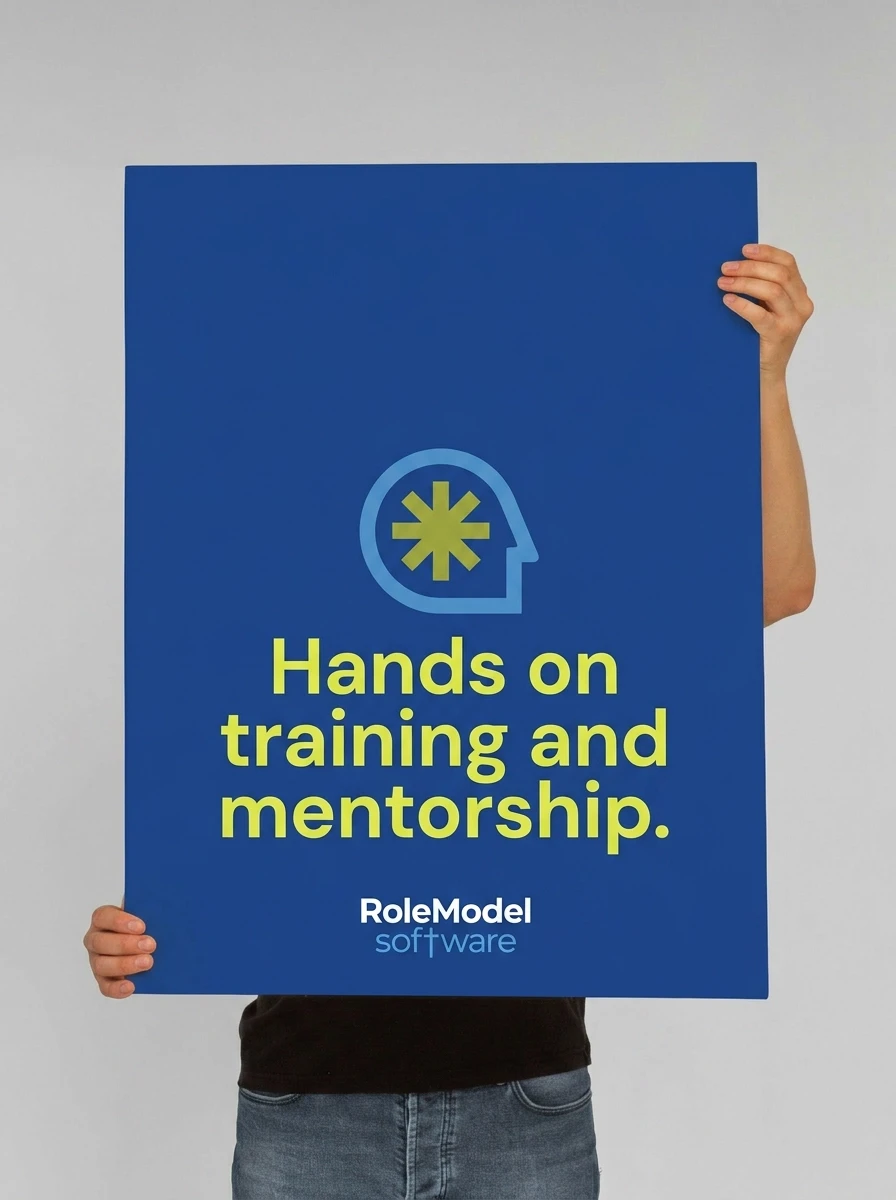
Our logo is the simplest way to signal who we are—use it with care and consistency. Always preserve its proportions, give it breathing room, and prioritize legibility over decoration. When in doubt, choose the cleanest placement with the strongest contrast.
" transform="translate(1 2.895)" width="22px"/></svg>)
Use the brand icon when space is tight or a full logo would feel heavy—favicons, app icons, social avatars, and small UI touchpoints where quick recognition matters.
Minimum Size
50px
Clear Space
40%
Color sets the tone before a single word is read. Our palette is built to feel confident, modern, and clear—supporting strong hierarchy and accessible contrast. Use core colors for structure and recognition, and apply accent colors intentionally to guide attention.
Typography is where clarity becomes craft. Our type system is designed for calm readability, strong hierarchy, and a direct voice. Keep layouts simple, use consistent scales, and let spacing do the heavy lifting.
Primary Font Family
Alt Font Family
Use for the single, biggest statement on a page—the boldest headline or primary message.
Size
10rem
Line-Height
1em
Letter-Spacing
-0.05em
Use for section-leading headlines that set the theme and pull attention without taking over the page.
Size
4.5rem
Line-Height
1.1em
Letter-Spacing
-0.04em
Use for major sections to establish top-level hierarchy.
Size
3.7rem
Line-Height
1.1em
Letter-Spacing
-0.04em
Use for secondary section titles that live under an H1 and break content into clear, scannable chunks.
Size
2.7rem
Line-Height
1.1em
Letter-Spacing
-0.05em
Use directly under a headline to add context, detail, or a short supporting message.
Size
2.875rem
Line-Height
1.3em
Letter-Spacing
-0.03em
Let’s get the conversation started.
Use for the main readable text—paragraphs, descriptions, and anything meant to be scanned and understood quickly
Size
2rem
Line-Height
1.5em
Letter-Spacing
-0.02em
Whether you work in construction, manufacturing, healthcare, or finance, investing in custom software can streamline your workflow, eliminate errors, and increase team productivity.
Use for section headings and call-outs in asides and secondary content.
Size
1.05rem
Line-Height
1.2em
Letter-Spacing
0
Develop your Career
Aa
Our tone of voice embodies our brand’s personality, built on trust, collaboration, and expertise. We aim to be approachably professional—conversational and friendly.
Every line has a job. We don’t fill space — we move things forward.
Purpose
Say the point early
Structure
One idea at a time
Next step
Make the ask clear
Concise when it helps. Clear in any context.
Clarity
Plain language first
Confidence
Certain, not arrogant
Precision
Fewer words, better words
We sound human. We don’t posture.
Pace
Short, clear sentences
Word choice
Familiar over fancy
Warmth
Helpful, not salesy
We teach by showing. We help people make decisions.
Explain
Define terms as needed
Guide
Offer a path, not a lecture
Options
Give tradeoffs + recommendation
Curious and present. We listen, then respond.
Questions
Ask before assuming
Listening
Reflect understanding
Momentum
Keep it moving
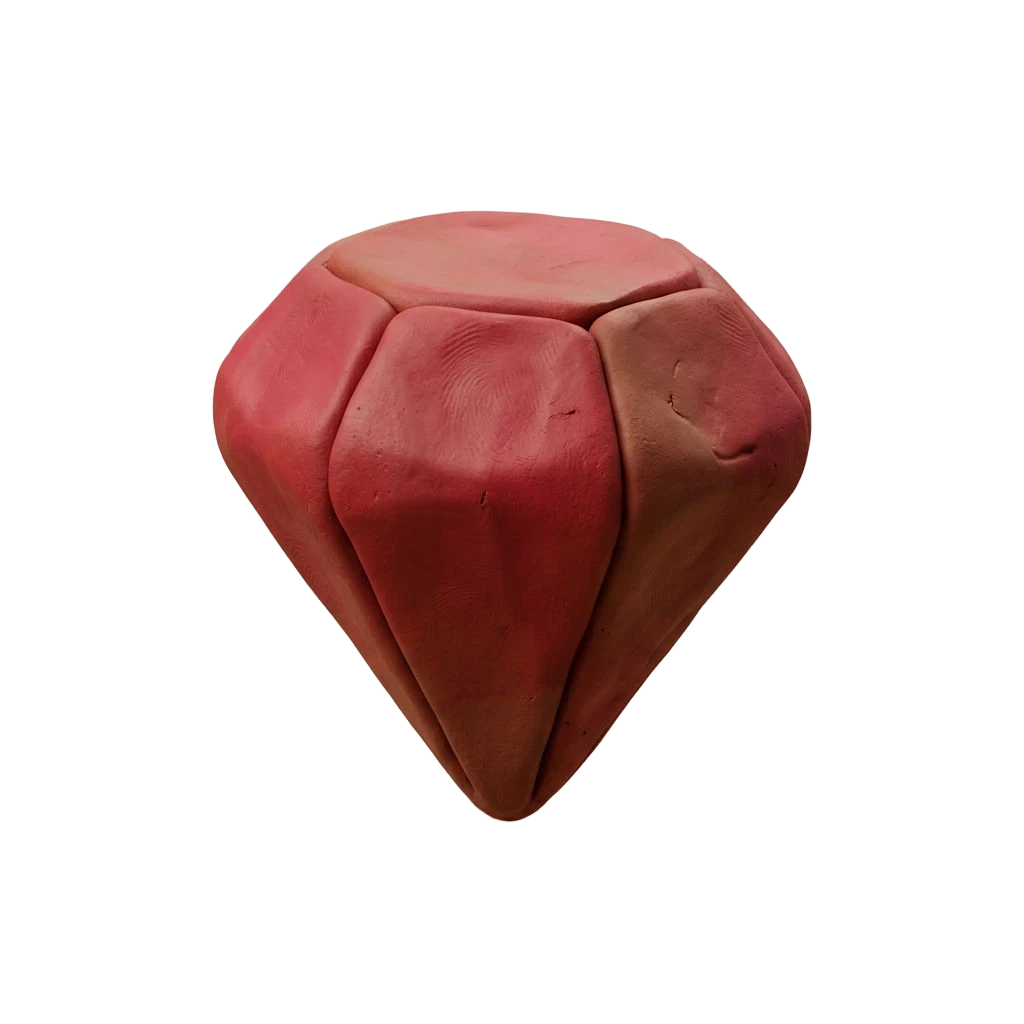
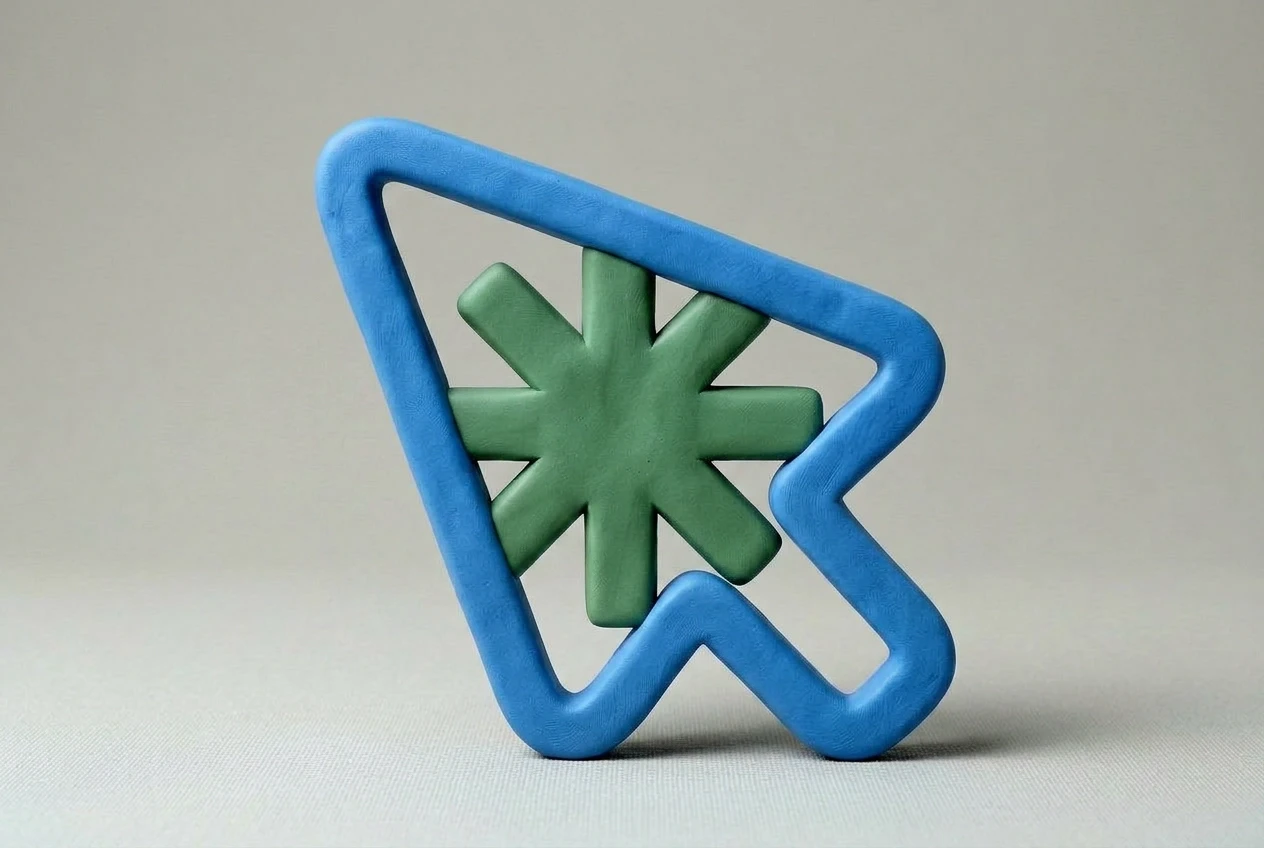
The Clay Icon style captures how we see learning: a student is clay in the hands of a potter—shaped patiently, with skill, into something useful and lasting. Use soft, hand-formed shapes with rounded edges, warm earthen tones, and gentle highlights that suggest material being molded. Each icon should feel tactile and in-progress, never rigid or mechanical—evidence of a craftsman’s hand guiding raw potential into form.